

Volkswagen Chief Visits Threatened Home Plant as Cost Warning Rattles Workforce
Volkswagen Group chief executive Oliver Blume traveled to the carmaker's sprawling Wolfsburg complex to face employees at a site whose future has been cast into doubt, delivering a
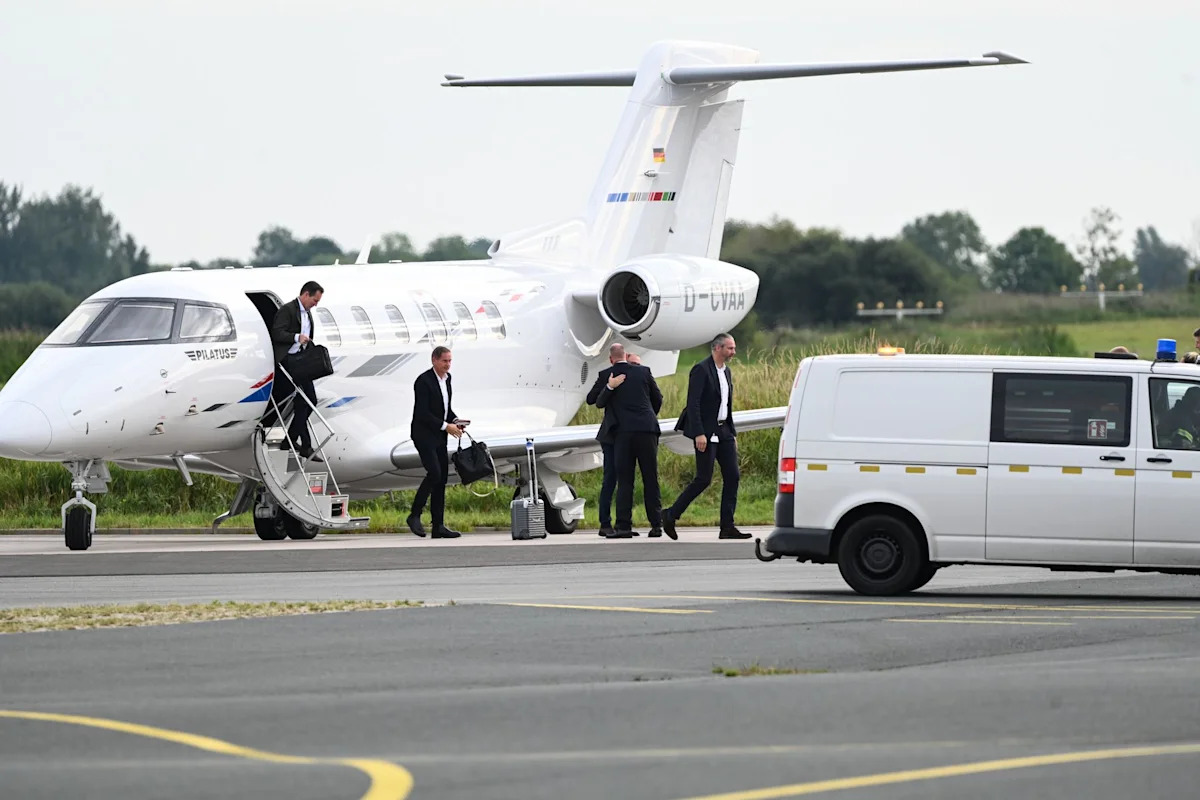
Volkswagen Group chief executive Oliver Blume traveled to the carmaker's sprawling Wolfsburg complex to face employees at a site whose future has been cast into doubt, delivering an uncompromising message: Europe's largest automaker can no longer afford its German cost base if it hopes to withstand mounting global competition.
The appearance came shortly after executives at the group's namesake volume brand broke one of the company's oldest taboos by acknowledging that closing factories in Germany, long considered unthinkable in the postwar era, is now among the options on the table as management races to restore profitability.
Behind the tough talk lies a stark arithmetic problem. The VW passenger-car division has been selling roughly half a million fewer vehicles per year than planned, according to finance chief Arno Antlitz, leaving German production far short of the approximately 1.4 million cars its domestic network was designed to build. When assembly lines run below capacity, fixed costs are spread across less output, crushing margins that are already among the weakest in the mass-market segment.
At the same time, the company is being squeezed by fast-moving rivals from Asia. Chinese manufacturers, unburdened by legacy structures and aggressive on electrification, are undercutting established brands on price and technology in China and increasingly in Europe, while German plants remain among the most expensive locations in the world in which to build vehicles as energy, labor and regulatory expenses climb.
Blume told the assembled workforce that far-reaching change could not be avoided and suggested the window for repositioning the core brand was narrowing, warning that every German location would ultimately have to contribute to making the group competitive for the electric age. His tone marked a sharp departure from the reassurances workers have grown accustomed to hearing at such gatherings.
Employee representatives responded angrily. Works council chief Daniela Cavallo accused the board of placing narrow financial interests ahead of the people who build its cars, pledging that the workforce would fiercely resist any attempt to shut plants or cut jobs on a large scale. IG Metall, which organizes much of the staff, has demanded that management pursue alternatives rather than reach for closures.
Any confrontation promises to be bruising. The state of Lower Saxony holds a fifth of Volkswagen's shares and seats on the supervisory board, where labor representatives command half of the votes — a co-determination structure that makes shutting German factories exceptionally difficult to push through against union opposition.
Politicians in Berlin are watching anxiously as well. Chancellor Olaf Scholz's office has voiced concern about the direction of the debate, emphasizing that the government expects the company to identify solutions that preserve employment, a reflection of how deeply Volkswagen remains woven into the country's industrial identity.
The stakes are highest in and around Wolfsburg, a city effectively built around the company. Tens of thousands of people work directly or indirectly for the automaker, and local suppliers, service firms and families all depend on the fortunes of a business that has anchored the region for generations.
Beyond closures, the measures under discussion are understood to include reallocating production between sites, tearing up long-standing job-security accords, offering early buyout packages and trimming the model lineup. Formal negotiations between the board and labor leaders over the scale of restructuring are expected to stretch across the coming months.
The turmoil at Volkswagen mirrors wider strains across Germany's automotive sector, where major suppliers have announced thousands of job cuts, demand has softened and the transition to electric mobility has proven slower and bumpier than planners anticipated after the loss of state purchase subsidies.
For the workers streaming out of the hall, there were no comforting guarantees — only a clear-eyed warning that the greatest danger facing the company is standing still while competitors race ahead.
--- END ---
What's Your Reaction?
 Like
0
 Dislike
0
 Love
0
 Funny
0
 Wow
0
 Sad
0
 Angry
0

Editor Teknologi. Mantan software engineer. Meliput AI, cloud, dan transformasi digital.


Comments (0)