

US Conducts Air Strikes on Iran in the Strait of Hormuz, Marking First Attack Since July
The United States has conducted air strikes on Iranian rocket launchers situated on a small island within the Strait of Hormuz, marking the first such attacks on Iran since late
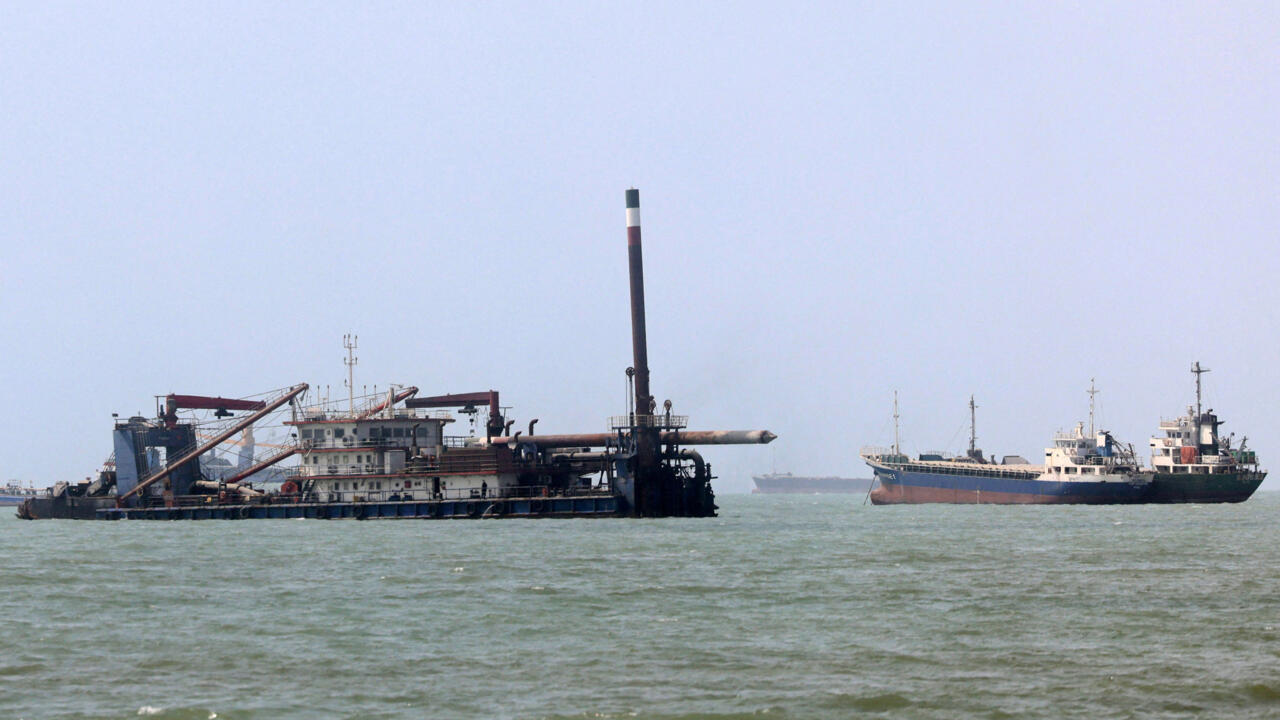
The United States has conducted air strikes on Iranian rocket launchers situated on a small island within the Strait of Hormuz, marking the first such attacks on Iran since late July. The strikes were carried out on Sunday, according to official statements. France 24, along with AFP, AP, and Reuters, is providing live updates on the situation.
The targeted island is located in the strategic waterway, which is a vital global shipping route and a flashpoint for tensions in the region. The U.S. military action comes amidst a backdrop of heightened tensions between the United States and Iran, with the Strait of Hormuz being a focal point of concern.
The United States has not provided specific details regarding the scale or the outcome of the strikes. However, the action is seen as a significant escalation in the ongoing conflict between the two nations. The strikes are believed to be in response to recent Iranian actions that have raised concerns about the stability of the region.
Iran has not yet officially commented on the strikes, but the country has a history of responding forcefully to perceived threats to its national security. The situation in the Strait of Hormuz has been particularly tense in recent months, with numerous incidents involving naval confrontations and the seizure of ships.
The latest strikes come just days after President Donald Trump suggested that Iran had requested a meeting in Doha, Qatar. However, Tehran has denied any direct talks with the United States. The situation in the Middle East has been further complicated by the ongoing conflict between Israel and Hamas, which has also raised concerns about regional stability.
The oil and gas industry, which heavily relies on the Strait of Hormuz for shipping, is closely monitoring the situation. Any prolonged conflict in the region could have significant implications for global energy markets, potentially leading to increased oil prices and supply disruptions.
In the broader context of Middle Eastern politics, the strikes are seen as a direct challenge to Iran's influence in the region. The United States has long been opposed to Iran's nuclear program and its support for proxy groups in the region, including Hezbollah in Lebanon and Hamas in Gaza.
The international community is also watching closely, with many nations expressing concern about the potential for a wider conflict. The United Nations has called for calm and restraint, urging all parties to avoid actions that could further escalate tensions.
As the situation unfolds, the United States and Iran are likely to continue to engage in a delicate dance of brinkmanship. The stakes are high, with the potential for a full-blown conflict that could have far-reaching consequences for the region and the world.
The latest strikes are a stark reminder of the volatile nature of the Middle East and the potential for conflict to erupt at any moment. As the situation develops, it remains to be seen how the United States and Iran will navigate the complex web of regional and international politics.
The situation in the Strait of Hormuz is also a reminder of the importance of diplomatic efforts to resolve conflicts. While military action may sometimes be necessary, it is often diplomatic solutions that can prevent the escalation of tensions and the outbreak of full-scale conflict.
As the world watches, the situation in the Middle East remains fluid and unpredictable. The actions of the United States and Iran in the coming days and weeks will be closely scrutinized, with the potential for significant consequences for the region and beyond.
What's Your Reaction?
 Like
0
 Dislike
0
 Love
0
 Funny
0
 Wow
0
 Sad
0
 Angry
0

Editor Teknologi. Mantan software engineer. Meliput AI, cloud, dan transformasi digital.


Comments (0)