

At Least 14 Newborns Die as Fire Sweeps Through Islamabad Hospital
At least 14 newborn babies have died after a fierce fire swept through a hospital in Islamabad, the Pakistani capital, according to reports issued on Wednesday, August 26, 2026. Th
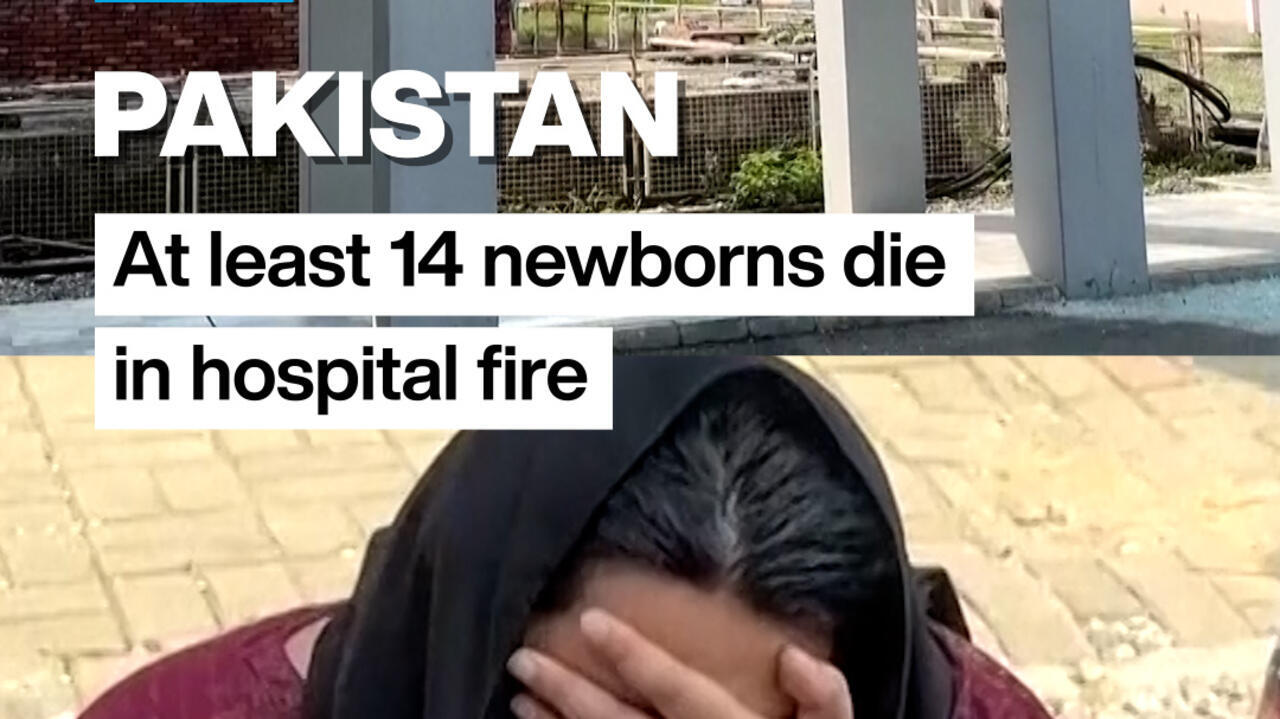
At least 14 newborn babies have died after a fierce fire swept through a hospital in Islamabad, the Pakistani capital, according to reports issued on Wednesday, August 26, 2026. The blaze claimed the lives of infants receiving care inside the facility, transforming a place devoted to protecting young life into a scene of profound grief.
Newborn units are among the most perilous places to be when fire breaks out. The babies they shelter cannot walk, call for help or flee on their own, and many lie tethered to incubators, monitors and breathing apparatus. When flames take hold, evacuation depends entirely on staff members who must carry each infant to safety one by one, often through smoke-filled corridors.
Islamabad, a planned capital of ministries, embassies and administrative institutions, anchors much of the country's healthcare network. Its hospitals routinely receive critically ill patients from surrounding districts, and their neonatal wards concentrate some of the most fragile patients anywhere in the national health system.
Blazes inside medical facilities are dreaded around the world for good reason. Hospital wards are packed with oxygen supplies, electrical machinery and flammable furnishings, while passageways built to move beds and equipment can just as easily funnel smoke and heat. A small ignition can grow uncontrollable within minutes, leaving caregivers precious little time to reach patients who cannot save themselves.
South Asia has endured comparable catastrophes before. Deadly fires in hospitals and clinics across the region have been traced in earlier investigations to faulty wiring, overloaded circuits, obstructed exits and weak enforcement of building safety rules. Each disaster has produced promises of reform, yet safety campaigners have repeatedly cautioned that compliance in many facilities remains inconsistent.
For Pakistan, the loss carries particular weight. The nation already registers some of the highest newborn mortality rates on earth, with countless families confronting infection, premature delivery and scarce access to specialised treatment. Parents bring their babies to a hospital ward believing that institutional medicine offers the greatest hope of survival, which makes the circumstances of this fire all the more painful to comprehend.
Early accounts offered few details about how the fire began, how rapidly it spread, or whether any staff members or additional patients were harmed alongside the confirmed deaths. The identity of the affected facility and the names of the victims were likewise absent from initial coverage, leaving many basic questions unanswered in the hours after word of the tragedy emerged.
Attention will inevitably settle on the issues that every such disaster raises: where the flames originated, why they advanced so swiftly, whether alarms sounded, whether extinguishers and sprinkler systems were functional, and whether any plan existed for evacuating patients unable to move. The answers will help determine whether the deaths are judged an unforeseeable accident or a collapse of basic safeguards.
Across the region, governments have customarily answered hospital fires with compensation packages, disciplinary proceedings and highly publicised inspection campaigns, although advocates insist that durable improvement demands continuous investment in fire prevention rather than reaction after the fact. What measures Pakistani authorities will now announce remains to be seen.
For fourteen grieving households, however, such debates will offer little solace. They entrusted their children to professional care and are now preparing to bury them. As investigators begin examining the wreckage, the confirmed toll could still shift, and the days ahead are expected to bring a fuller account of how the disaster unfolded within one of the country's most delicate medical environments.
--- END ---
What's Your Reaction?
 Like
0
 Dislike
0
 Love
0
 Funny
0
 Wow
0
 Sad
0
 Angry
0

Reporter Gadget. Review smartphone, laptop, dan consumer tech.


Comments (0)